What if Your Kitchen Could Help You Make New Friends?
Imagine this: you’re hosting a dinner, stressing over burnt garlic bread and lukewarm soup, while silently wishing your guests would just… leave. We’ve all been there. That moment when you’re stuck in the kitchen, stirring, checking timers, apologizing for the undercooked rice—while your friends laugh in the other room, and you’re missing it all. But what if your kitchen could do more than cook—what if it could connect you? Today, smart devices aren’t just about perfecting recipes—they’re quietly transforming how we gather, share, and build meaningful friendships around the joy of home-cooked moments. And the best part? You don’t need to be a tech expert or a chef. You just need to care about connection. Let’s talk about how your kitchen can become your most unexpected ally in building deeper, more joyful relationships.
The Hidden Problem: Why Cooking for Others Feels So Stressful
Let’s be honest—hosting dinner can feel like a high-stakes performance. You’re not just serving food; you’re offering a piece of yourself. That’s why a burnt edge on the lasagna or a sauce that didn’t thicken can feel like personal failure. The pressure isn’t really about the meal. It’s about being seen, accepted, and appreciated. And when things go wrong, it’s easy to think, “Maybe I shouldn’t have invited anyone at all.”
I remember one night, I had my neighbor and her daughter over. I’d spent all afternoon making a beef stew I found online. Everything seemed fine—until I opened the pot and realized I’d forgotten the salt. Completely. I panicked. I added a spoonful at the last minute, but it didn’t dissolve in time. Everyone was polite, but I could feel the awkwardness. I kept apologizing, even though no one asked me to. That night, I told myself, “Next time, I’ll just suggest we go out.” And for months, I did. I avoided hosting because I didn’t want to risk that feeling again.
But here’s the truth: that fear keeps so many of us from opening our doors. We miss out on quiet conversations over wine, on watching kids play in the living room, on the way a friend’s laugh fills your home. The kitchen, which should be the heart of connection, becomes a place of anxiety. We’re so focused on getting everything “right” that we forget the real goal: being together. And when we let stress win, we lose more than just a good meal—we lose the chance to grow friendships.
What if we didn’t have to choose between a perfect dinner and a peaceful host? What if the tools in our kitchen could help carry some of that weight? That’s where something quietly revolutionary is happening—not with fancy robots or futuristic gadgets, but with simple, thoughtful technology that understands what we really need: confidence, ease, and more time to be present.
Enter the Smart Kitchen: More Than Just Gimmicks
When I first heard about smart ovens and Wi-Fi-connected pots, I rolled my eyes. Another expensive toy, I thought. Something else to charge, update, and eventually ignore. But then a friend invited me over for dinner—just a simple roast chicken and vegetables. Everything was perfectly cooked. The chicken was golden, juicy, and the timing was flawless. I asked her secret. She smiled and said, “My oven told me when it was done.”
That’s when I realized: this isn’t about luxury. It’s about support. These tools aren’t replacing us. They’re helping us show up as our best selves. Think about it—how many times have you opened the oven too early, dropping the temperature and ruining the rise of your cake? Or forgotten to preheat, throwing off the whole schedule? With a smart oven, you can set the temperature and time from your phone, get alerts when it’s ready, and even monitor the cooking process remotely. No more guessing. No more stress.
And it’s not just ovens. Imagine a multicooker that guides you step by step—add the onions now, stir in the rice, set the timer. It adjusts the heat, tracks the time, and lets you know when dinner is ready. No more standing over the pot, wondering if it’s done. No more last-minute panic. These aren’t magic tricks. They’re small acts of care built into everyday appliances.
Even recipe apps have evolved. Instead of scrolling through a screen with greasy fingers, you can use voice commands to ask, “What’s the next step?” or “How long is left?” Some apps sync with your devices, so your oven and your phone talk to each other. You start dinner from work, and by the time you walk in, the rice is warm and the soup is simmering. It’s not about doing less. It’s about doing it with less worry. And when the pressure lifts, something beautiful happens: you start to enjoy cooking again—not as a chore, but as a way to care for people you love.
From Panic to Presence: How Tech Frees You to Connect
Let me paint you a picture of what changed. Last month, I hosted a small dinner for three friends. I made a slow-cooked pork shoulder with mashed potatoes and roasted carrots. In the past, I would’ve been in the kitchen the whole night—checking the meat, stirring the sides, jumping every time the timer beeped. But this time, I used a smart multicooker and a connected oven. I set everything before my guests arrived. The oven sent me a notification when the carrots were done. The multicooker beeped gently when the pork was ready to shred.
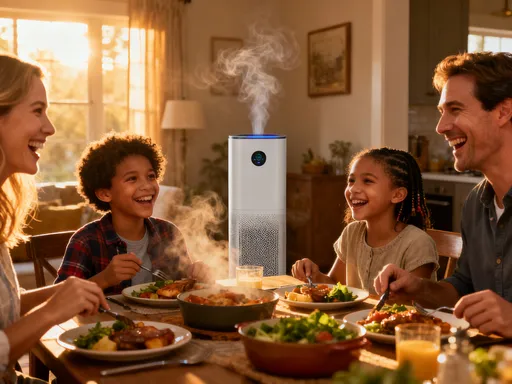
And here’s the miracle: I was in the living room the whole time. I poured wine. I listened to stories. I laughed at jokes. I wasn’t hiding in the kitchen, stressed and sweating. I was part of the gathering. One friend said, “You seem so relaxed tonight.” And I was. Because I didn’t have to be the cook and the host at the same time. The kitchen was helping me do both—without me having to do it all.
That shift—from panic to presence—is everything. When you’re not trapped by timing and temperature, you can focus on what really matters: the people in front of you. You notice the way someone’s eyes light up when they talk about their garden. You remember to ask about their job interview. You share a quiet moment instead of rushing to flip a steak. Technology didn’t take over the experience. It made space for it.
And here’s what surprised me: my friends noticed the difference too. They said the evening felt “easier,” “warmer.” One admitted she usually feels bad when her host disappears into the kitchen. “It makes me feel like I’m being judged,” she said. But when I was right there with them, she could relax. We weren’t just sharing a meal. We were sharing time. And that’s what friendship is built on—not perfection, but presence.
Shared Experiences, Not Just Meals
When you stop fearing the kitchen, you start inviting more often. That’s what happened to me. After that relaxed dinner, I thought, Why not do this again? So I started a little tradition—every other Sunday, I host a casual brunch. Sometimes it’s just one friend. Sometimes it’s three. We call it “Lazy Sunday Eats,” and the rule is: no stress, no fancy dishes, just good food and good talk.
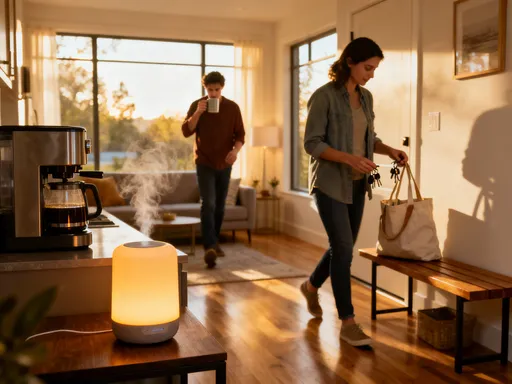
The smart devices make it possible. I use a voice-guided recipe app to walk me through fluffy pancakes or a frittata. I set the coffee maker to start brewing at 9:15, so it’s ready when everyone wakes up. The oven preheats on its own. I’m not running around. I’m pouring coffee, putting on music, greeting people at the door with a smile—not a frazzled look.
But it’s not just about convenience. It’s about consistency. Because I know things will go smoothly, I’m not afraid to try new things. Last week, we had a “Taco Tuesday” night—everyone brought a topping, and we built our own tacos. The multicooker kept the beans warm, and the app reminded me when the chicken was done. We laughed, we spilled salsa, we took pictures. It wasn’t fancy. It was real. And it became a memory.
These small, regular gatherings are where friendships deepen. It’s not the big holidays or formal dinners that build closeness. It’s the casual moments—the 10-minute chat while the toast is browning, the shared silence while we watch the sunrise through the kitchen window, the way someone always brings the perfect pastry from the local bakery. When technology handles the small stresses, we’re free to notice these details. We’re free to create rituals that matter. And over time, those rituals become the fabric of our relationships.
Bridging the Gap: Cooking Together, Even When Apart
Life changes. People move. Jobs shift. And sometimes, the friends you love most are no longer down the street—they’re across the country. I have a dear friend who moved to Oregon last year. We used to cook together every month. Now, we see each other twice a year. But we didn’t want to lose that connection. So we started something new: “Same Dish, Different Kitchens.”
Every other Friday, we make the same recipe at the same time. We video chat while we cook. She chops onions; I stir the sauce. We laugh about our messes, share tips, and eat “together” even though we’re miles apart. And here’s the magic: our devices help us stay in sync. We use the same recipe app, which sends us alerts at the same time. When her slow cooker beeps, mine does too. When I add spices, she follows along. It’s like cooking side by side—even though we’re not in the same room.
This isn’t just about food. It’s about continuity. It’s about saying, “Even though life pulled us apart, we’re still building something together.” During her first month in Oregon, she was lonely. She told me our cooking nights were the highlight of her week. “It feels like home,” she said. And for me, it’s the same. I see her kitchen, her new mug, her cat jumping on the counter. I feel connected. I feel close.
Technology could have made us feel farther apart. Instead, it became the thread that keeps us tied. It’s not replacing face-to-face time. It’s honoring the bond we already have—and finding new ways to nurture it. And when we finally reunite, we don’t start from scratch. We pick up right where we left off, because we’ve been sharing moments all along.
Beyond the Meal: How Small Tech Wins Build Bigger Confidence
Here’s what I didn’t expect: feeling confident in the kitchen started to change other parts of my life. When I could host without fear, I began to believe in myself in new ways. I volunteered to lead a workshop at my community center. I reached out to a woman I’d seen at the park but never spoken to. I even started a small blog about simple, joyful cooking.
It sounds small, but it’s not. Each time I used my smart oven or followed a voice-guided recipe, I wasn’t just cooking. I was proving to myself that I could handle things. That I could plan, execute, and enjoy the results. That I didn’t have to be perfect to be good enough. And that quiet confidence spilled over into everything.
I started speaking up more in conversations. I stopped apologizing for small things. I began to see myself not as someone who “tries” to host, but as someone who *does*—and enjoys it. And that shift changed how others saw me too. People started asking for my advice. They said I seemed “calm” and “grounded.” I realized: when you’re not fighting against stress, you become someone others want to be around.
This is the quiet power of small wins. When technology helps you master a moment—like serving a hot, delicious meal without chaos—it doesn’t just improve dinner. It improves your sense of self. You start to believe you can handle other challenges. You become more open, more willing to try, more likely to say “yes” to new opportunities. The kitchen becomes a training ground for courage, one recipe at a time.
The Heart of the Home, Reimagined
The kitchen was never meant to be a stage. It was meant to be a gathering place. A place of warmth, of smell and sound, of laughter and love. But too often, it becomes a source of stress—a room where we measure ourselves against impossible standards. What if we could return it to its true purpose? Not as a place of performance, but as a place of connection.
Technology, when used with intention, can help us do that. It doesn’t take over. It doesn’t make us lazy. It simply removes the barriers that keep us from being present. It gives us back our time, our calm, and our joy. And in doing so, it gives us back our ability to connect.
Think about the last time someone opened their home to you. Did you care if the bread was store-bought? Did you judge the slightly overcooked pasta? Or did you feel touched that they made the effort? That they wanted to share a piece of their life with you? That’s what matters. That’s what stays with us.
So let your kitchen be imperfect. Let it be messy. Let it be full of laughter and small mistakes. But let it also be supported—by tools that help you breathe easier, move slower, and enjoy more. Let it be a place where friendships grow, not because everything is perfect, but because everyone feels welcome.
You don’t need to be a tech expert. You don’t need the most expensive gadgets. You just need one small step—a voice-guided recipe, a smart pot, a connected oven. Try it. See how it feels to cook without fear. See how it changes your gatherings. See how it opens your door—not just to guests, but to deeper, more meaningful connections.
Because the truth is, your kitchen can help you make new friends. Not by cooking for them, but by helping you be there—for the meal, for the moment, for each other. And that’s the most powerful technology of all.