Tired of Missing Out on What’s Happening Next Door? This App Brought My Neighborhood to Life
Ever felt like you're living right beside people you know nothing about? I did—until a simple app turned strangers into allies, errands into team efforts, and quiet hallways into friendly exchanges. It started with a borrowed cup of sugar, then grew into shared rides, group grocery orders, and real connections. This is how one small tool helped me feel more at home—right where I already lived. And if you’ve ever wished your building or block felt a little more like a community, I promise—you’re not alone, and yes, it’s possible to change that.
The Loneliness Behind Closed Doors
Let’s be honest—how many of your neighbors do you actually know by name? Not just wave-to-at-the-elevator names, but real names, stories, maybe even their favorite kind of tea? I used to think living near others was the same as living among them. But for years, I’d pass the same faces in the hallway, exchange polite nods, and go back to my apartment feeling… nothing. No connection. No sense of belonging. Just four walls and silence.
Then came the night my kitchen sink sprang a leak. It was 8 p.m., the water was pooling, and I had no idea who to call. Not a plumber, not a neighbor. I didn’t even know who lived across the hall. I ended up texting a cousin two hours away, who googled a repair service while I mopped in panic. That moment hit me hard. We live so close, yet we’re so far apart. And it’s not just about plumbing. It’s about everything—grocery runs, pet care, school pickups, checking in when someone’s sick. When we don’t know our neighbors, we lose out on a whole layer of support that should be right at our doorstep.
I started noticing how often I saw people struggling—someone lugging heavy bags up the stairs, a mom with a stroller and two crying kids, an older man trying to fix a bike chain alone. I wanted to help, but I didn’t know how to start. And I knew they probably felt the same. That’s when I realized: proximity doesn’t equal community. We need something to bridge the gap. Something simple, safe, and human.
Discovering the App That Changed Everything
It was my friend Carla who first mentioned the app. We were catching up over coffee, and she casually said, “Oh, I got my dog walker through the neighborhood group. And we all split a bulk order of rice—saved like 30%.” I raised an eyebrow. “Wait, there’s an app for that?” She laughed. “Not just that. We organize rides, share tools, even check in on the older folks when it’s icy out.”
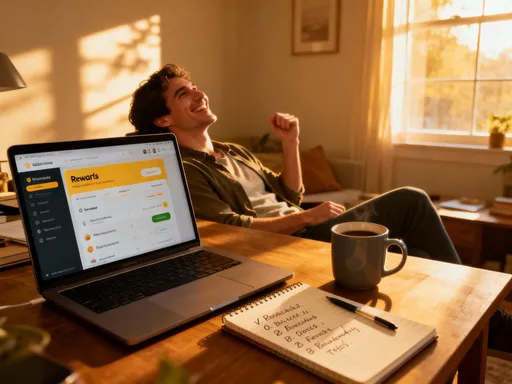
I was skeptical. Another app? Another screen to stare at? But Carla wasn’t tech-obsessed—she was a busy mom, just like me. If it worked for her, maybe it could work for me. So I downloaded it. The setup was easy: I verified my address, added my first name and a photo (nothing too personal), and was placed in my local group—just people within a half-mile radius. No endless scrolling, no ads, no drama. Just a clean, quiet space where people asked for help and offered it.
My first post was tiny: “Does anyone have a measuring cup I can borrow? Baking a cake for my nephew’s birthday.” I didn’t expect much. But within 20 minutes, a woman named Lisa replied, “I’ll leave one outside my door—third floor, unit 304.” I went up, grabbed it, left a thank-you note and a slice of cake the next day. That small exchange felt… different. Warmer. Human. And it opened the door—literally.
Soon, I was borrowing a ladder to change a lightbulb, finding a last-minute babysitter when my sitter canceled, and joining a group order for organic produce that arrived every Thursday. The app wasn’t flashy, but it was functional. It didn’t try to be Instagram or Facebook. It wasn’t about likes or followers. It was about real needs and real help. I started calling it my “neighborhood helper”—a quiet little tool that made life just a little smoother, one small favor at a time.
From Strangers to Support System: Our First Real Win
The real turning point came during a brutal snowstorm. It hit hard one Friday night—winds howling, snow piling up fast. I woke up Saturday morning to a world covered in white, and my first thought was, “How am I going to get out?” But before I could even grab the shovel, I saw the app light up.
Messages started popping up: “Need help shoveling? I’m up and at it—let me know.” “Can pick up prescriptions for anyone stuck inside.” “Anyone need milk or bread? I’m heading to the store in 30.” I felt a lump in my throat. This wasn’t just convenience—it was care. Real, unforced, neighborly care.
I volunteered to clear the path for Mrs. Thompson, the 78-year-old widow on the ground floor. I didn’t know her well—just a smile here and there—but I remembered her mentioning how hard shoveling was for her. I bundled up, grabbed the shovel, and got to work. By the time I finished, two other neighbors had already salted the steps. Later, someone dropped off soup at her door. Another checked her furnace. No one was in charge. No one had to be. We were just… showing up.
That weekend, we didn’t just survive the storm—we thrived. We organized grocery runs, shared weather updates, even started a group chat for emergency contacts. And when the power flickered, someone posted, “Generator available if needed.” It wasn’t charity. It was reciprocity. I helped Mrs. Thompson, and later, when my car battery died, two people offered jump-starts within minutes. That’s the beauty of it: when we give, we’re not losing. We’re building a network of mutual support that lifts everyone.
How We Use It Daily: Small Actions, Big Impact
Now, the app is part of our daily rhythm—like checking the weather or making coffee. It’s become our neighborhood’s nervous system, quietly keeping everything running smoothly. Every morning, I glance at it before heading out. Sometimes it’s a simple “Extra zucchini from the garden—free at the gate.” Other times, it’s “Anyone heading to the pharmacy? Can I add a pickup?” or “Looking for a quiet place to nurse my baby—anyone with a private space?”
One of my favorite moments was when a mom named Elena posted, “Need a sitter for two hours—anyone free?” Within 15 minutes, three people replied. One offered to come over, another suggested a trusted babysitter from the group, and a third said, “I’ll watch your dog while you’re out.” That’s the kind of support that changes lives. Not because it’s grand, but because it’s immediate, local, and real.
We use it for everything: sharing holiday leftovers, organizing carpool schedules, recommending reliable handymen, even alerting each other when a package is delivered. Last week, someone posted, “Found a lost key near the mailboxes—anyone missing one?” Three people responded, and the key was returned by lunchtime. These may seem like small things, but together, they create a web of care that makes us all feel safer, seen, and supported.
The magic isn’t in the technology itself. It’s in what the technology enables—trust. When you know the person lending you a drill is the same one who brought soup to Mrs. Thompson, you don’t worry. You just say thank you and pay it forward. And that’s how community grows: not in big speeches or events, but in quiet, consistent acts of kindness.
Building Trust in a Digital Space
I know what you’re thinking: “Isn’t it risky? Sharing with strangers online?” I had the same concern. The internet can feel wild and untrustworthy. But this app is different. It’s not open to everyone—it verifies physical addresses, so only people in your immediate area can join. You don’t have to share your last name, phone number, or email. Just enough to be real, not exposed.
We started slow. At first, posts were cautious: “Need a bike pump,” “Selling old books,” “Looking for a piano teacher.” No one was oversharing. But over time, as we saw the same names pop up, and recognized voices in the hallway, trust built naturally. I’d read a post from “Lisa on 3rd floor,” then pass her in the elevator and smile. “Hi Lisa—I got the measuring cup, thanks again!” Small moments like that turned usernames into real people.
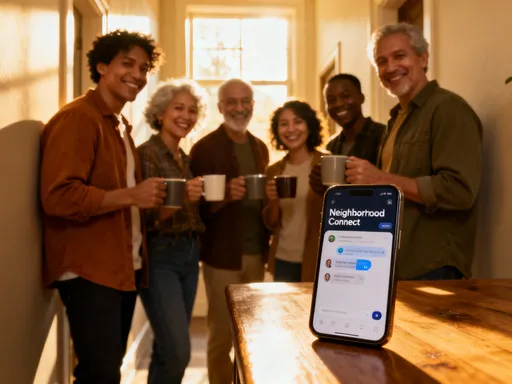
About three months in, someone suggested a coffee meet-up at the park. No pressure, just “If you’re around, come say hi.” I hesitated—would it be awkward? But I went. And you know what? It wasn’t. We recognized each other instantly. We laughed about the zucchini post, swapped stories about our kids, and talked about how much easier life felt now. That one hour outside turned digital connections into real ones.
Since then, we’ve hosted seasonal potlucks, holiday toy swaps, and even a “skill share” day where neighbors taught each other things like knitting, basic car maintenance, and how to make sourdough. The app didn’t replace face-to-face interaction—it prepared us for it. It gave us a safe, low-pressure way to start, so when we did meet, we already knew we belonged.
Beyond Convenience: Emotional Safety and Belonging
Then came the time I was in the hospital for a minor surgery. I didn’t post about it at first—didn’t want to burden anyone. But my neighbor Mark saw my car hadn’t moved in days and messaged, “Everything okay?” I told him I was recovering at home. The next thing I knew, meals started appearing at my door. No sign-up sheet, no asking—just a rotation of neighbors bringing soup, casseroles, and even flowers.
I sat there, holding a container of chicken stew from Elena, tears in my eyes. It wasn’t just the food. It was the message: *You matter. We see you. You’re not alone.* That’s when it hit me—this app wasn’t just about convenience. It was about emotional safety. It was about knowing that if life throws you a curveball, you’re not facing it solo.
For single parents, for seniors living alone, for newcomers trying to find their footing—this kind of awareness can be life-changing. One woman in our group, a widow named Grace, told me, “Before this, I’d go days without speaking to anyone. Now, I get a ‘Good morning’ text from three people. It makes me feel alive again.” Another mom said, “When my husband travels for work, I don’t feel stranded anymore. I know I can ask for help—and I will.”
That’s the deeper gift of this tool: it restores a sense of belonging. In a world that often feels fast, lonely, and disconnected, it reminds us that home isn’t just a place. It’s the people who notice when your light is on late, who remember your kid’s birthday, who bring soup when you’re sick. It’s the quiet assurance that you’re part of something bigger.
Starting Your Own Circle: A Realistic Guide
If you’re reading this and thinking, “I want this for my neighborhood,” I’ll tell you: you can have it. You don’t need to be a tech expert. You don’t need to organize a big event. You just need to start—small, gentle, and kind.
Begin with one post. Something simple: “Hi neighbors! I’m Sarah, on the second floor. Would love to meet you—anyone up for coffee this weekend?” Or, “Looking to start a book club—any readers interested?” Keep it light. No pressure. Let people respond in their own time.
Invite others gently. If you see someone in the hallway, smile and say, “Hey, I just joined the neighborhood app—have you heard of it?” Share a win: “I found a dog walker through it—super helpful.” Word spreads fast when it’s useful and kind.
Encourage reciprocity, but don’t demand it. Thank people when they help. Celebrate small wins—“We found a lost cat!” or “Group order arrived—thanks everyone!” These moments build culture. And culture builds community.
Be patient. Trust grows slowly. Not everyone will join right away. Some may never post. But that’s okay. Even silent members benefit—receiving alerts, seeing offers, feeling the presence of connection. And over time, as they see real help being given and received, they’ll feel safer to step in.
Remember: every strong community began with someone brave enough to say, “Hi.” That could be you. You don’t need to change the whole block overnight. Just open the door—digitally or literally—and invite connection in. The rest will follow.
Looking back, I never thought an app could make me feel more at home. But it did. Not because of the code or the features, but because it gave us a way to be human together. It turned silence into conversation, isolation into support, and neighbors into family. And if you’re feeling that quiet ache of disconnection, I want you to know: it doesn’t have to stay that way. With one small step, one simple post, you can start building the kind of neighborhood where everyone looks out for each other—where no one has to face a leaky sink, a snowstorm, or a tough day alone. Because home isn’t just where you live. It’s who you live with. And sometimes, all it takes is a little help from technology to remember what community really means.