Tracked Every Coffee and Gift for 3 Years: How Spending Notes Became My Family’s Memory Keeper
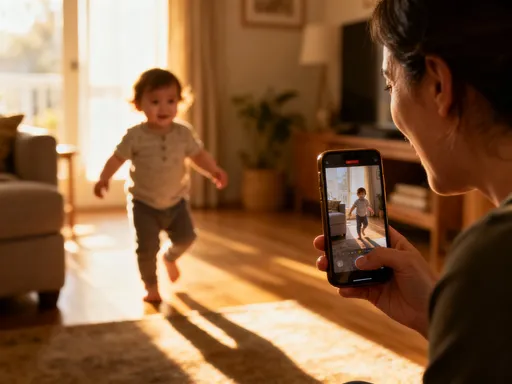
You know those little purchases you forget by the end of the day? I used to overlook them too—until I started jotting them down. Not for budgeting, but for remembering. Over time, these spending notes quietly turned into something deeper: a record of who I was with, where we went, and what mattered. That $4 coffee wasn’t just caffeine. The birthday card I bought wasn’t just paper and ink. Each small transaction held a whisper of connection, a quiet moment of presence. This is how tracking everyday spending became an unexpected way to preserve the moments that truly count—the ones we don’t realize we’ll miss until they’re gone.
The Receipts That Held More Than Prices
It started with a coffee receipt tucked into my wallet. I kept it not because I needed it for taxes, but because it reminded me of something—my sister sitting across from me, laughing about how we both still liked caramel in our lattes even though we were in our forties. That moment felt fleeting, but the receipt? It stayed. So I saved it. Then another came—a sticky note from a bookstore where I bought a coloring book for my niece. I remembered how she had danced in the aisle, so excited. I started keeping those too. Before long, I had a small stack of slips and scribbles in a notebook on my kitchen counter.
At first, I told myself I was just being organized. But the truth was, I was beginning to see that every purchase had context. The $15 parking fee wasn’t just a cost—it was the day I took my daughter to her first museum exhibit, the one with the giant dinosaurs. The $6 sandwich wasn’t just lunch—it was the quiet bite I ate on a bench while waiting for my mom’s doctor’s appointment, praying silently in the sun. These weren’t just expenses. They were emotional bookmarks in the story of my life.
What surprised me most was how these tiny records helped me remember the people I loved. A simple grocery receipt from a rainy Sunday included apples, soup, and tissues—items I’d picked up when my teenage son was sick. Seeing that list brought back the smell of ginger tea, the sound of his cough from down the hall, how I sat beside him reading aloud until he fell asleep. Without that receipt, I might have forgotten the tenderness of that weekend. But because I saved it, I could revisit it. And in doing so, I realized something powerful: sometimes the most meaningful memories aren’t from grand vacations or big celebrations. They’re hidden in the quiet, ordinary moments we barely notice as they happen.
From Budgeting Tool to Personal Diary
I’ll admit, I didn’t start this with any emotional intention. My original goal was practical—I wanted to know where my money was going. I’d heard about budgeting apps and spreadsheets, but I found them too rigid, too cold. I needed something softer, something that didn’t make me feel guilty for buying flowers just because I needed a little brightness that week. So I began writing things down in a simple notebook. Not every purchase, just the ones that felt like they meant something. Or even the ones that didn’t—because sometimes, the ones that seemed meaningless at the time later revealed their importance.
One evening, I flipped back through a few pages and landed on an entry: “$12.50 – Movie tickets, Friday night.” That was it. No extra detail. But just seeing it made me smile. I remembered bundling up with my daughter and my best friend, walking into the theater with popcorn, the three of us laughing at how we all still loved animated films. I remembered how my daughter whispered, “This is the best night ever,” as the lights dimmed. That $12.50 wasn’t an expense. It was an investment in joy.
Slowly, my notebook transformed. It wasn’t a ledger anymore. It was a diary—one written in the language of small choices. The $8 library fine? That was the day I finally returned the book I’d borrowed during a hard month, when reading had been my escape. The $20 for art supplies? That was the afternoon I sat at the kitchen table with my mom, painting silly pictures while we waited for the rain to stop. Each entry became a doorway back to a feeling—warmth, connection, even grief. I stopped judging myself for what I spent and started honoring what it represented. Money wasn’t just currency. It was a record of time, love, and presence.
This shift changed how I moved through my days. Instead of rushing from one task to the next, I began pausing—just for a second—after making a purchase. I’d ask myself, “Who was I with? What were we doing? How did this feel?” That tiny pause created space for mindfulness. And over time, that space grew into gratitude. I wasn’t just tracking spending. I was tracking moments. And in a world that often feels too fast, that made all the difference.
How Technology Made It Effortless
Keeping a physical notebook was sweet, but it wasn’t always practical. I’d forget to write things down, or I’d lose a receipt before I could log it. I needed a better way—one that fit into my real life, not some idealized version of it. That’s when I started exploring simple apps that could help me track spending without the friction. I wasn’t looking for anything complicated. No stock predictions, no investment dashboards. Just something that could sync with my bank account and let me add a note to each transaction.
I found a few that worked, but the one I stuck with was clean, intuitive, and private. Every time I made a purchase, it automatically appeared in the app. With one tap, I could add a note—just a few words. “Coffee with Sarah—she got the job!” “Lunch with Dad after his surgery.” “School supplies—Lily picked the purple backpack.” These weren’t financial notes. They were emotional ones. And because the app lived on my phone, I could add them in the moment—while waiting in line, during a quiet moment in the car, or even while folding laundry later that night.
What I love most is how the technology doesn’t replace memory—it supports it. It’s like having a quiet assistant who remembers the details so I don’t have to. I can search by date, by person, or even by keyword. Want to see every time I spent time with my mom? I type her name and get a list of coffees, walks, and shared meals. Want to relive my daughter’s favorite moments from last year? I search “Lily” and “fun” and see movie nights, park visits, and birthday treats. It’s not about the money. It’s about the life that happened around it.
And the best part? It takes seconds. I don’t need to spend hours organizing. I don’t need to be a tech expert. I just need to care—just a little. That’s what makes this habit sustainable. It’s not another chore. It’s a tiny act of love. A digital love letter to my past self, my family, and the life we’re building together. In a world full of apps that demand our attention, this one gives something back: clarity, connection, and the gift of remembrance.
Connecting Generations Through Everyday Moments
One Sunday afternoon, I showed my parents a few entries from the app. I didn’t expect much—just a quick “look what I’ve been doing.” But my mom’s eyes lit up when she saw a grocery receipt from May 2021. “Oh! That’s the week we made the apple pie together,” she said, her voice soft with surprise. “I remember Lily standing on the chair, stirring the filling. You let her use the wooden spoon even though it made a mess.” I hadn’t written any of that. But the receipt—just a list of apples, sugar, and cinnamon—had unlocked it for her.
That moment changed everything. I realized these records weren’t just for me. They were for all of us. They were bridges between generations—ways to pass down not just stories, but feelings. My dad, who rarely talks about emotions, pointed to a coffee shop purchase from two years ago. “That was the day we sat outside after your meeting,” he said. “You told me about your promotion. I was so proud.” I hadn’t remembered that conversation in detail. But seeing it there, tied to a simple $5 charge, brought it all back.
I started sharing more—not everything, just the moments that felt warm, the ones that included family. I showed my niece an entry: “Ice cream after dance class – vanilla with rainbow sprinkles.” She squealed. “You wrote that down? That was my favorite day!” For her, seeing it recorded made her feel seen. Valued. Remembered. And that’s when it hit me: in a world where kids grow up surrounded by digital noise, being remembered in a quiet, personal way means something. It tells them, “You mattered. This moment mattered.”
Now, I think of these notes as heirlooms in progress. Not in the traditional sense—no jewelry or furniture—but emotional artifacts. Someday, my daughter might look through these entries and smile at the record of our walks, our talks, our small joys. She might not care about the prices. But she’ll care about the love behind them. And that’s worth more than anything money can buy.
Making Meaning from the Seemingly Small
We’re taught to chase big milestones—birthdays, graduations, weddings. But life doesn’t just happen in the spotlight. It happens in the in-between. It happens in the quiet coffee runs, the grocery trips, the errands we run when no one’s watching. And those are the moments that often hold the most meaning—if we’re willing to notice them.
Take that $8 bus fare I logged last winter. On the surface, it’s nothing. But the note I added—“Long talk with Jen about her divorce”—tells the real story. That ride was one of the most important conversations I’ve had in years. We sat side by side, watching the city pass by, talking about loss, healing, and hope. I didn’t know it at the time, but that moment was a turning point for both of us. Without the note, I might have forgotten it. With it, I can return to it whenever I need to remember that friendship matters, that listening is a gift.
Technology helped me make sense of these moments by letting me tag them—quietly, gently. I use simple labels like “with Mom,” “healing,” “joy,” or “proud moment.” Later, the app lets me filter by these tags. On hard days, I’ll pull up “joy” and scroll through a year of small wins—a bookstore visit, a picnic in the park, a surprise phone call from an old friend. It’s like an emotional first-aid kit. And on quiet nights, I’ll read through “with family” and feel my heart soften with gratitude.
This practice has taught me to stop dismissing the small things. The $3 tea I bought while waiting for my daughter’s soccer game? That was the afternoon I finally let myself sit still, breathe, and enjoy the moment. The $10 donation to a local shelter? That was the day I felt helpless about the world and decided to do one small thing that mattered. These aren’t just transactions. They’re markers of who I am, who I love, and what I value. And by recording them, I’m not just keeping track of spending—I’m keeping track of my soul.
Building a Habit That Feels Like Self-Care
Here’s the truth: I used to spend my evenings scrolling—mindlessly, endlessly. Social media, news, videos. I’d look up an hour later and wonder where the time went. I wasn’t recharging. I was draining. Then I replaced ten minutes of scrolling with ten minutes of reflection. After dinner, I’d open my app and add notes to the day’s purchases. Just a sentence or two. “Took Mom to lunch—she laughed at the waiter’s joke.” “Bought flowers for no reason—kitchen smells amazing.”
This tiny habit became my anchor. It didn’t feel like work. It felt like tucking my day into a memory box. It grounded me. It reminded me that my life wasn’t just a series of tasks—it was a collection of moments, many of them beautiful. And the more I paid attention, the more I noticed. I started pausing during the day, not just after purchases, but during quiet moments—when my daughter hugged me for no reason, when my husband made me coffee without asking, when the sun hit the trees just right on my walk.
This isn’t about perfection. Some days, I forget to log anything. Some weeks, I fall behind. But I don’t beat myself up. I just start again. Because this isn’t a productivity hack. It’s a love practice. It’s me saying, “This life matters. These people matter. I matter.” And that shift—from tracking money to honoring moments—has changed how I see myself. I’m more present. More grateful. More connected. And honestly? I feel calmer, more centered, more like myself.
What I’ve learned is that self-care doesn’t have to be a spa day or a vacation. Sometimes, it’s just a few seconds of reflection. A quiet acknowledgment that today, even with its chaos, held something good. And when I do that—when I honor the small things—I’m not just preserving memories. I’m building a life I can look back on with peace, not regret.
Why This Practice Changed More Than My Finances
If someone had told me three years ago that tracking my spending would lead to deeper relationships, greater self-awareness, and more joy, I would have laughed. I thought this was just about being responsible with money. But it turned out to be about so much more. It became a practice of attention. Of love. Of presence.
Looking back through my entries, I don’t just see a budget. I see a life. I see growth—my daughter learning to ride a bike, my mom learning to text, me learning to ask for help. I see love—birthdays celebrated, tears shared, quiet walks taken hand in hand. I see loss—entries that ache with missing someone, moments I wish I could relive. And I see joy—so much joy, tucked into coffees, walks, and grocery runs.
This simple act—writing a sentence about a purchase—has become my most human habit. In a world of algorithms, notifications, and endless digital noise, this is quiet. This is real. This is mine. It doesn’t require a fancy device or a subscription. It just requires a little care, a little intention. And anyone can start.
So here’s my invitation to you: the next time you buy something—a coffee, a gift, a snack—take five seconds. Open your notes app. Write one sentence about who you were with, how you felt, or why it mattered. Don’t overthink it. Just begin. Because one day, that sentence might be the one that brings you back to a moment you thought you’d lost. And in that return, you’ll find something priceless: the quiet truth that your life, exactly as it is, is already full of meaning.