Tired of Precious Moments Slipping Away? Save Memories Effortlessly with Live Streams
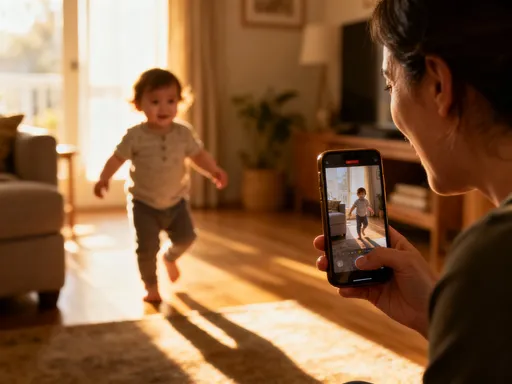
We’ve all been there—laughing at a birthday toast, watching a toddler’s first steps, or sharing a quiet moment with family—only to realize later that it’s gone, forgotten, or lost in the chaos of life. What if you could preserve those raw, unscripted moments without lifting a finger? Online live streaming platforms aren’t just for concerts or gamers. They’ve quietly become one of the most powerful tools for capturing life as it happens. With just a tap on your phone, you can start a stream that saves not just the visuals, but the sounds, the laughter, the pauses—the full texture of real life. And the best part? You don’t need to be tech-savvy, own fancy gear, or even remember to press ‘record’ afterward. Let me show you how something as simple as a live stream can become one of the most meaningful gifts you give your family—and yourself.
The Problem: Why We Lose Our Most Meaningful Moments
Think about the last time something beautiful happened in your home—a child’s giggle over spilled milk, a parent humming an old song while folding laundry, or a surprise visit from a neighbor who made your day. You probably didn’t pull out your phone. And even if you did, chances are the video was shaky, short, or never uploaded. We want to remember these moments, but so often, they slip through our fingers like sand.
It’s not that we don’t care. In fact, we care deeply. But the effort of capturing memories often feels like it gets in the way of living them. There’s the awkwardness of holding up a phone during a heartfelt conversation, the frustration of running out of storage, or the guilt of realizing too late that you forgot to film your daughter’s first piano recital. Even when we do record something, it often ends up buried in a folder labeled “Videos 2023,” never to be seen again.
And here’s the truth: our brains aren’t perfect recorders. Time softens the edges of memory. Voices fade. Smiles blur. A study from the Journal of Applied Cognitive Psychology found that people forget up to 40% of event details within just a few days. That means the warmth of your grandmother’s hand on yours during a walk, or the exact way your son said “I love you” for the first time—he might not remember it clearly when he’s older. We’re not just losing videos; we’re losing pieces of connection, identity, and emotional safety.
I remember when my niece graduated from preschool. My sister filmed part of the ceremony, but she was so busy managing her other two kids that she missed the moment her daughter waved directly at her. She didn’t see it until someone else shared a clip days later. She cried—not because she was sad, but because she’d missed that one look, that silent “I see you, Mom.” That moment reminded me: we need a better way. Not perfect videos. Not Hollywood edits. Just real, unfiltered life, captured simply and saved safely.
A Simple Shift: How Live Streaming Turns Life into Legacy
Here’s the good news: the technology we already use every day can solve this. Live streaming—yes, the same tool used for cooking demos and fitness classes—can quietly become your family’s memory keeper. And it works because it flips the script on how we think about recording. Instead of thinking, “I need to record this,” you shift to “I’m just starting a stream.” That small difference in mindset removes the pressure. No need to frame the shot. No stress about battery life or storage. Just tap, forget, and let life unfold.
When you go live on platforms like YouTube, Facebook, or even private apps designed for families, most of them automatically save the broadcast to your account. That means even if no one watches it live, it’s still there—like a digital journal that writes itself. I started doing this during my mom’s visits. I’d set my phone on the kitchen counter while we baked, hit “Go Live,” and then ignore it. Later, I’d find full recordings of us laughing over burnt cookies, debating family recipes, and sharing stories I didn’t even realize were being preserved. One clip—just 18 minutes long—has my mom singing a lullaby she used to sing to me. I play it when I miss her. It’s not just a video. It’s comfort.
What makes live streaming so powerful is its authenticity. Unlike polished Instagram reels or staged birthday videos, live streams capture the pauses, the off-camera comments, the background noise—the things that make a moment feel real. You hear the dog barking, the pot boiling over, the way your teenager mumbles “I’m fine” when they’re clearly not. These details don’t ruin the memory—they deepen it. They remind us that life isn’t about perfection. It’s about presence.
And the beauty is, you don’t have to be “on” to make it work. In fact, the less you perform, the better. A live stream running in the corner of the room while your kids build a blanket fort or your partner reads the news becomes a time capsule. Years from now, your children won’t care that the lighting was bad. They’ll care that they can hear their younger voices, full of wonder and energy. That’s the legacy you’re building—not of events, but of emotion.
Beyond the Highlight Reel: Capturing the In-Between Moments That Matter
We tend to save videos of milestones—first steps, graduations, holidays. But the moments that shape who we are often happen in between. It’s the Saturday morning pancake routine, the way your daughter arranges her stuffed animals before bed, or the silly dance your husband does when he thinks no one’s watching. These aren’t “content.” They’re connection. And they’re disappearing every day because we don’t think to record them.
Live streaming changes that by making documentation effortless. You don’t have to decide in advance that “this moment is important.” You just let the stream run during ordinary time. I started doing 10-minute “kitchen streams” every Sunday while making breakfast. No audience. No script. Just the sounds of sizzling bacon, my kids arguing over toast, and my dog whining for scraps. At first, I thought, “Who would want to watch this?” But when I revisited one last winter, during a lonely week when everyone was sick, hearing those voices—so full of life—felt like a warm hug. It reminded me that even the messy mornings are sacred.
One mother I spoke with used a private live stream to capture her son’s bedtime stories over six months. He had a habit of making up wild tales about space pirates and talking cats. She didn’t edit them. She just saved the streams. When he turned eight, she compiled the best ones into a simple video and played it at his birthday party. The room fell silent. Then everyone laughed, cried, and asked to watch it again. That collection didn’t just show how creative he was—it showed how his voice, his imagination, and his joy evolved over time. That’s something no photo album can capture.
Think about your own home. What small rituals repeat week after week? The way your family gathers after school, the Sunday walk around the block, the way your pet reacts to thunderstorms. These are the threads that weave your family’s story. By using live streaming to capture them—not perfectly, but honestly—you’re creating a richer, more complete record of who you are. And when life changes—when kids grow up, parents age, or routines shift—you’ll have something real to return to.
Family Connection Across Distances: Bridging Generations in Real Time
Distance can make families feel disconnected. Grandparents miss school plays. Siblings miss birthdays. Parents miss first days of school. Video calls help, but they’re often short, scheduled, and filled with technical hiccups. Live streaming offers a different kind of connection—one that feels more natural, more inclusive, and more lasting.
Imagine this: your parents live three hours away. You start a private live stream during your family’s Friday night pizza dinner. They can’t join live, but they know the stream is happening. Later that night, they watch it together, commenting as if they’re at the table. They hear the kids’ jokes, see the new haircut, notice how tall the youngest has gotten. It’s not the same as being there—but it’s closer than a text or a photo.
One grandmother I met told me she watches her grandchildren’s weekly “backyard adventures” stream every Saturday. It’s just 20 minutes of them playing in the garden, chasing butterflies, and building mud pies. She doesn’t comment live. She just watches, smiles, and sometimes rewinds to hear a particular laugh. “It makes me feel like I’m part of their world,” she said. “Even when I can’t be there, I’m not left out.”
And it works both ways. When her grandson was nervous about a school presentation, she sent him a voice note saying, “I watched your stream from last weekend—you were so brave when you climbed that tree. You’ve got this.” He played it before going on stage. That moment of encouragement came from a simple, unscripted video. That’s the power of presence, even when you’re apart.
Live streaming also helps when life gets busy. Siblings with demanding jobs, parents juggling shifts, or relatives in different time zones can all catch up on their own time. There’s no pressure to be available at a specific hour. The stream waits for them. And because it captures real life—not just posed updates—it feels more intimate than a status update. It’s not just “what we did.” It’s “how we felt.” That emotional depth is what keeps families close, even when miles separate them.
Practical Tips: How to Start Saving Memories Without Stress
I know what you’re thinking: “This sounds great, but I don’t want to feel like I’m always being watched. And what about privacy? Storage? My phone’s already full!” I get it. The last thing you need is another chore. That’s why the key is simplicity. You don’t need special equipment, editing skills, or a big audience. You just need a few smart habits.
First, choose your platform. If you want privacy, use a private Facebook group or a family-focused app like Tinybeans or Kit. These let you stream to a closed circle—just your loved ones. If you’re okay with wider access, YouTube Live or Instagram Live work well, but make sure to set the video to “unlisted” or “private” so only people with the link can view it.
Next, set up auto-save. Most platforms save live streams by default, but double-check your settings. On YouTube, go to “Stream settings” and ensure “Save stream to video manager” is turned on. On Facebook, confirm that “Replay” is enabled. That way, even if you forget, the video is saved.
Storage is a real concern. If your phone fills up fast, consider using a cloud backup like Google Photos or iCloud. You can also download important streams to an external hard drive once a month. Think of it as a digital photo album—but for videos.
And don’t overthink the setup. Place your phone on a shelf, use a cheap tripod, or prop it against a book. Point it at the living room, kitchen, or backyard—wherever life happens. You don’t need perfect lighting or sound. In fact, the imperfections make it more real. Start with just 5–10 minutes a week. A morning coffee chat. A quick dinner prep. A walk around the garden. Build the habit slowly.
Finally, create a naming system. Instead of “Live_032124,” call it “Mom’s Visit – Pancake Morning” or “Ethan’s First Soccer Game.” That way, when you search years later, you’ll find it fast. You can even add a short description: “Grandma laughed at the burnt toast.” These small details make your archive personal and easy to navigate.
Turning Streams into Keepsakes: Organizing and Revisiting Your Digital Memory Vault
Saving videos is only half the journey. The real magic happens when you revisit them. But let’s be honest—scrolling through hours of raw footage isn’t relaxing. That’s why turning your streams into keepsakes matters.
Start with simple edits. Use free tools like iMovie, CapCut, or the editor built into YouTube to trim long streams into highlight clips. Pull out the 30 seconds where your daughter danced in her rain boots, or the minute your dad told his favorite joke. Keep it short. Keep it meaningful.
Then, share it. Send a clip to a family member with a note: “Remember this?” Create a shared folder where everyone can add their favorite moments. Some families make “memory playlists” for holidays—like a compilation of every Christmas morning over five years. Watching them together becomes a new tradition.
You can also go old-school. Burn favorite streams to a USB drive or DVD. Label it “Family Moments 2023” and tuck it into a memory box. Give copies to parents or siblings. Unlike cloud storage, a physical drive doesn’t depend on passwords or platforms. It’s yours, forever.
And make time to watch. Try a “memory night” once a season. Pick a stream from the same month last year—maybe your spring picnic or summer barbecue. Watch it together with your family. Laugh at how much the kids have changed. Cry at how much you’ve all grown. These rituals don’t just preserve the past. They strengthen your present.
The Deeper Gift: How Preserved Moments Shape Identity and Healing
At its core, live streaming isn’t about technology. It’s about love. It’s about saying, “You matter. This moment matters. I want to remember you exactly as you are.” And that intention has power—emotional, psychological, even healing.
Children who grow up seeing videos of themselves as toddlers, hearing their parents’ voices, or watching family traditions in action develop a stronger sense of identity. They see where they come from. They feel rooted. One study from the University of Iowa found that kids who regularly view family videos report higher levels of emotional security and self-worth.
And for those grieving, these recordings can be a lifeline. I’ve heard from women who play old streams of their late mothers during hard days. One woman told me she watches a live clip of her father teaching her to bake every year on his birthday. “It’s like he’s still here,” she said. “Not in a ghostly way—but in a ‘he’s still part of my life’ way.” These videos don’t replace the person. But they keep the connection alive.
Even for everyday struggles—stress, loneliness, self-doubt—revisiting happy moments can be grounding. When you’re overwhelmed, watching a 5-minute clip of your family laughing at a board game can remind you of what really matters. It’s not productivity. It’s presence. It’s love.
So yes, live streaming is a tech tool. But what it creates is deeply human. It gives us a way to honor the small, the ordinary, the fleeting. It turns time into something we can hold onto. And in a world that moves too fast, that’s one of the most precious gifts we can give—to our families, to our future selves, and to the people we love.