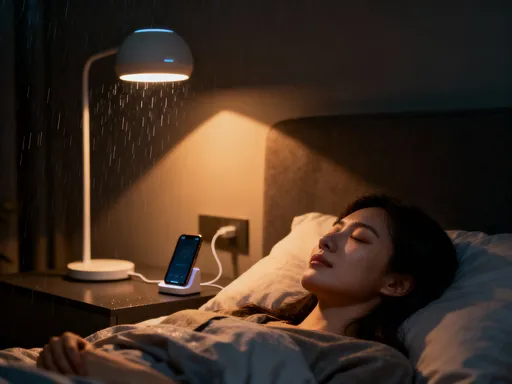
From Tired to Truly Rested: How Tiny Tech Habits Changed My Sleep Forever
Getting enough sleep sounds simple, but for so many of us, it feels out of reach. I used to lie awake, mind racing, no matter how exhausted I was. Then I started making small, intentional changes—using everyday technology in smarter ways. Not expensive gadgets or complicated routines, just simple shifts that actually worked. This isn’t about fixing insomnia with science—it’s about letting gentle, thoughtful tech help you finally wind down, night after night. And the truth? It didn’t take a miracle. It took awareness, a little patience, and the willingness to try something new. If you’ve ever stared at the ceiling at 2 a.m., wondering where the peace went, this is for you.
The Quiet Struggle of Modern Sleep
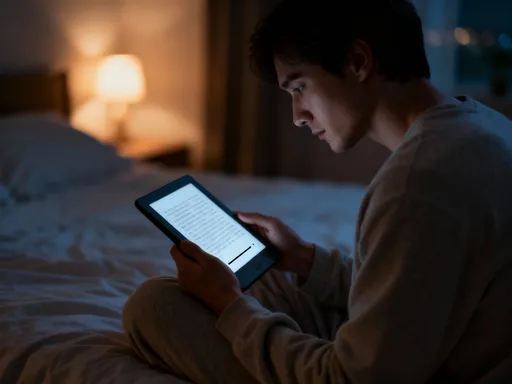
Let’s be honest—most of us are tired. Not just the kind of tired that goes away with a strong cup of coffee, but the deep, bone-weary exhaustion that lingers no matter how much you rest. And yet, when bedtime comes, instead of drifting off, we’re wide awake. Our minds race with to-do lists, worries about the kids, work deadlines, or even what to make for dinner tomorrow. I was there. Night after night, I’d climb into bed, thinking, "Okay, now I can finally relax," only to find my brain kicking into high gear. I’d grab my phone, telling myself I was just checking the weather or reading one article. But one article turned into ten. One quick scroll turned into thirty minutes of mindless browsing. And every time, I felt more alert, not less.
What I didn’t realize then was that my habits were sabotaging my sleep. It wasn’t just that I was staying up too late—it was how I was spending those final hours. The glow of the screen, the constant pings of notifications, the mental stimulation from social media or news—it all told my brain, "Stay awake. Something important might happen." And so, despite being physically drained, my nervous system stayed on high alert. I wasn’t alone in this. Studies show that over 90% of people use electronic devices within an hour of bedtime, and most of them struggle with sleep quality. But here’s the good news: we don’t have to give up technology. We just need to use it differently. Small, thoughtful changes—ones that work with our lives, not against them—can make a real difference. You don’t need to become a digital hermit. You just need to be intentional.
Your Phone: Enemy by Night, Ally by Design
The phone. It’s our constant companion. We use it to talk, to plan, to shop, to laugh, to learn. But at night, that same device can become our sleep’s worst enemy. And it’s not just because of the blue light—though that’s a big part of it. Blue light suppresses melatonin, the hormone that tells your body it’s time to sleep. But beyond the science, there’s the habit, the reflex. When we’re in bed and bored or anxious, we reach for the phone without thinking. It’s like a security blanket, except instead of comforting us, it keeps us wired.
I used to do this every night. I’d tell myself I was just “checking in” or “winding down with a little social media.” But winding down? That was a joke. After 20 minutes on my phone, my mind was buzzing. I’d feel restless, even more awake than before. So I decided to stop fighting myself and start working with my habits. Instead of trying to quit cold turkey—because let’s be real, that never lasts—I redesigned how I used my phone at night. First, I turned on “Do Not Disturb” at 9 p.m. No calls, no texts, no notifications. Just silence. That simple act became a signal to my brain: the day is ending. The world can wait.
Next, I moved my phone charger out of the bedroom. I started charging it in the kitchen. This was a game-changer. No more midnight scrolls. No more “just one more video” at 11:45 p.m. When I wanted to check something, I had to get up, walk to the kitchen, and plug it in. That extra effort was enough to break the habit. And when I did need an alarm, I downloaded a simple, clean alarm app—no ads, no bright colors, no tempting icons. Just a soft chime in the morning. It sounds small, but these tiny shifts added up. My phone didn’t disappear from my life. It just stopped running it at night. And that made all the difference.
Soundscapes That Soothe, Not Stimulate
Silence used to scare me. Growing up, I always fell asleep with the TV on. As an adult, I thought I needed background noise to relax. But not all sound is created equal. I used to play music with lyrics before bed—something upbeat or nostalgic. But I noticed something strange: the more I listened, the harder it was to fall asleep. My brain was still working, following the melody, remembering the words, reliving old memories. It wasn’t helping me rest. It was keeping me mentally active.
Then I tried something different. I downloaded a free meditation app that offered nature sounds—gentle rain, ocean waves, a quiet forest at night. No music. No lyrics. Just soft, repetitive sounds that didn’t demand attention. I played “forest stream” on low volume and set a 30-minute auto-off timer. That way, it wouldn’t play all night and disrupt my sleep cycles. The first few nights, I wasn’t sure it was doing anything. But after a week, I started to notice a shift. When I heard that familiar trickle of water, my body began to relax. It was like a cue: “It’s safe to let go now.”
The key wasn’t just the sound—it was the consistency. I used the same track, same volume, same time every night. Over time, my brain started to associate that sound with sleep. It became part of my routine, like brushing my teeth or washing my face. And here’s the beautiful part: it didn’t require effort. I didn’t have to force myself to relax. I just pressed play, and my body did the rest. If you’ve ever struggled with a racing mind at night, I encourage you to try this. Find a sound that feels gentle to you—maybe it’s rain, or wind, or even a fan. Keep it simple. Keep it consistent. Let the sound carry you, not pull you.
Lighting That Follows Your Body’s Rhythm
Light is powerful. It doesn’t just help us see—it tells our bodies when to wake up and when to sleep. Our internal clock, called the circadian rhythm, runs on light cues. Bright, blue-rich light in the morning wakes us up. Warm, dim light in the evening tells us it’s time to slow down. But most of us have it backwards. We’re bathed in bright, artificial light at night—overhead lights, screens, lamps with cool bulbs—all sending the message: “Stay alert!” No wonder we can’t fall asleep.
I used to have a bright white lamp on my nightstand. It was great for reading, but terrible for sleep. One night, I switched it out for a warm, dimmable smart bulb. I set it to turn on at 8:30 p.m. and slowly dim over the next hour, shifting from warm white to a soft amber glow. I didn’t even have to think about it. The light did the work for me. And within days, I started feeling sleepy earlier. Not forced. Not faked. Just a natural drowsiness, like my body was finally getting the signal it had been missing.
You don’t need a full smart home setup to make this work. Even using a single warm-toned lamp in your bedroom can help. Look for bulbs labeled 2700K or lower—that’s the warm, cozy light you’d find in a candlelit room. Avoid cool white or daylight bulbs in the evening. And if you read at night, use a small, directional lamp instead of turning on the overhead light. The goal isn’t to sit in the dark—it’s to create a space that feels safe, calm, and ready for rest. Light isn’t just functional. It’s emotional. And when it’s used with care, it can guide your body into sleep like a lullaby.
The Two-Minute Digital Wind-Down Routine
Here’s a secret I’ve learned: the way you end your day matters more than you think. If your last moments are spent stressed, scrolling, or reacting to emails, your brain doesn’t have time to shift into rest mode. But if you create a tiny, intentional ritual, it’s like putting a soft bookmark at the end of your day. That’s why I designed a two-minute digital wind-down routine. It takes less time than brushing my teeth, but it’s become the most important part of my evening.
Exactly ten minutes before bed, I do three things. First, I say, “Hey, turn on sleep sounds,” to my voice assistant. The forest stream begins to play. Second, I say, “Dim the lights to 20%.” The room glows softly. Third, I open my music app and start a quiet playlist for tomorrow morning—something calm, like soft jazz or acoustic guitar. I don’t listen to it now. I just set it. That way, when I wake up, my morning starts gently, not with a jolt.
This little sequence does something powerful. It’s not about doing more. It’s about ending the day with purpose. It tells my brain, “We’re done. It’s safe to rest now.” And because it’s so short and simple, I never skip it. No motivation needed. No willpower. Just a quiet, consistent signal that the day is over. If you’re thinking, “I don’t have time for another routine,” I get it. But two minutes is nothing. And what you gain—a calmer mind, a smoother transition to sleep—is everything. Try it for three nights. See how you feel. Small habits, done consistently, create big change.
When Tech Helps You Wake Up Right
Mornings used to be my enemy. My old alarm was harsh—a blaring beep that made me jump every time. I’d wake up feeling startled, disoriented, already behind. And that groggy, reactive mood would follow me into the day. I’d snap at the kids, spill coffee, forget my keys. It wasn’t just the alarm. It was how I started. I was being shocked awake, not waking up.
Then I tried a sunrise simulation lamp. It’s a device that slowly brightens your room over 30 minutes, mimicking the natural dawn. I set it to start at 6:30 a.m., and my real alarm goes off at 7 a.m. So, 30 minutes before the sound, the light begins to grow—soft at first, then brighter. I don’t wake up to noise. I wake up to light. And it’s amazing how different that feels. Instead of jolting awake, I drift into consciousness. I stretch. I yawn. I open my eyes slowly, like the sun is inviting me to rise.
And here’s what surprised me: my whole morning changed. Because I wasn’t startled, I wasn’t stressed. I had space to breathe. I started pairing this with a quiet morning podcast—something thoughtful, not frantic. No emails. No news. Just gentle words and soft music while I made coffee. That one change—the way I woke up—rippled through my entire day. I was calmer. More patient. More present. It reminded me that technology isn’t just for productivity or entertainment. It can be used to create peace, to support well-being, to help us live more gently. And isn’t that what we all want?
Small Habits, Deep Results: Building a Sleep-Friendly Life
Let’s be clear: I didn’t fix my sleep in a day. There were nights I still woke up. Times I forgot to set the lights. Moments I grabbed my phone out of habit. But over time, these small tech habits became part of my life. They didn’t feel like chores. They felt like care. And slowly, my sleep improved. Not perfectly. But better. Deeper. More restful. I started waking up without an alarm sometimes. I had more energy. I felt more like myself.
That’s the thing about sleep—it’s not just about rest. It’s about everything else. When you sleep well, you think clearer. You respond instead of react. You have more patience with your family. You show up better in your life. These tiny tech changes didn’t just improve my nights. They improved my days. And that’s the real gift.
Technology isn’t the enemy. It’s a tool. And like any tool, it depends on how we use it. We don’t have to reject it to find peace. We just have to align it with our well-being. When we do, it becomes a quiet helper—a gentle guide that supports us, not steals from us. So if you’re tired of being tired, start small. Pick one thing. Maybe it’s moving your phone out of the bedroom. Or trying a nature sound at night. Or dimming the lights earlier. See how it feels. You don’t need to do it all at once. You just need to begin.
Better sleep isn’t a luxury. It’s a foundation. And when you build that foundation with care, with intention, with a little help from the tools you already own, you create space for more joy, more calm, more life. You don’t have to be perfect. You just have to be kind—to yourself, to your body, to your need for rest. And sometimes, the smallest changes lead to the deepest peace.