It’s Not Just a Call: How Voice Apps Gave Me Back Real Connection
Remember when phone calls felt meaningful, not just another task on the list? I used to dread ringing my parents—awkward silences, rushed updates, the guilt of not calling enough. But something shifted when I changed how I used voice tools. It wasn’t about upgrading my phone, but rethinking how I connect. Now, those daily moments feel lighter, warmer, and more present. This isn’t just tech—it’s how we stay close when life pulls us in different directions. And honestly, it’s changed everything.
The Noise Between Us
We’re more “connected” than ever, yet real conversations feel rare. I’d text my sister “Hey, u ok?” and call it a check-in—until she told me she missed hearing my voice. That hit hard. Like so many of us, I’d let convenience replace closeness. Texts became my default, quick and clean, but empty of tone, of warmth, of the little sighs and laughs that tell you someone is really there. I thought I was staying in touch, but in truth, I was just checking a box. And the more I tapped and swiped, the quieter my relationships became.
Our days are full of pings and alerts, but how many of those are actually about connection? I found myself scrolling through messages from my mom—three texts over two weeks, all variations of “Call me when you can.” And each time, I’d feel that little tug of guilt, but then get pulled back into the whirlwind of laundry, school pickups, dinner prep. The irony? I was using technology meant to bring us closer, yet I felt more distant than ever. It wasn’t the apps’ fault. It was how I was using them. I had turned communication into chores, and calls—especially—felt like performance reviews I wasn’t ready for.
But our relationships need more than emojis. They need the sound of a breath before a sentence, the pause when someone is thinking, the way a voice cracks when they’re trying not to cry. We need to hear each other, not just read about each other. And I began to wonder: what if I stopped treating voice like a last resort? What if I used it not as a formal event, but as a quiet, everyday gesture—like a hug, but through sound?
When Calling Felt Like Work
Let’s be honest—calling used to stress me out. I’d see my mom’s name flash on the screen and immediately start calculating: Do I have 20 minutes? Is the house quiet? What if she asks about my job again? What if I have to explain something hard, and I’m not in the right headspace? The pressure to be present, patient, and cheerful in a live conversation made me avoid it altogether. Texting felt safer. I could reply when I was ready. I could edit my words. I could pretend I was calm even when I wasn’t.
But deep down, I knew it wasn’t the same. A text saying “Love you!” is sweet, but it doesn’t carry the warmth of my mom’s voice saying, “I love you, sweetheart,” the way she did when I was little. It doesn’t remind me of bedtime stories or Sunday mornings in the kitchen. Voice felt demanding because it was real. No filters. No second chances. Just me, as I was, in that moment. And maybe that’s why I kept running from it—not because I didn’t care, but because I cared too much.
I started to notice how often I’d put off calling my dad, too. We’d go days without speaking, and when I finally did call, it would be rushed. “Hi, Dad! How are you? Good. Great. Work’s busy. The kids are fine. Love you. Talk soon.” And then I’d hang up feeling worse than before. Like I’d reduced our bond to a bullet-point list. The silence between us wasn’t empty—it was full of everything we weren’t saying. And the guilt built up, not because I didn’t love them, but because I wasn’t showing it in a way that felt real.
Small Shifts, Big Changes
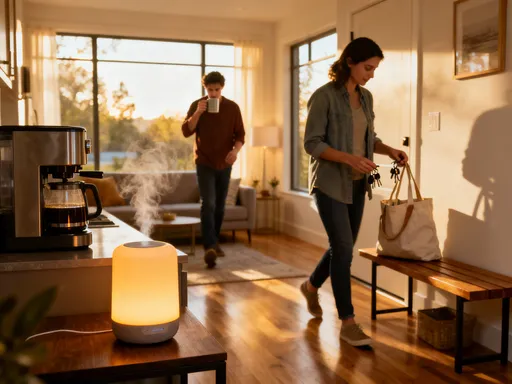
The shift didn’t come from a fancy app or a new phone. It came from using what I already had—my voice—in a different way. I started small. Instead of scheduling a call like a meeting (which felt like adding another item to my to-do list), I began leaving short voice notes. Just little moments, no pressure. A 45-second clip to my best friend: “Just saw a dog in a raincoat walking down the street—thought you’d love it.” A quick “Morning!” to my partner while I was making coffee, the sound of the kettle in the background. Nothing long. Nothing polished. Just real.
And something unexpected happened: people responded. My sister wrote back, “I listened to your message three times. It made my day.” My mom called me later and said, “Hearing your voice made me feel like you were right here.” These tiny messages weren’t about information—they were about emotion. They were like emotional bookmarks, holding a piece of my presence and dropping it into someone’s day. And because they were low-stakes, I didn’t feel overwhelmed. I could send one while folding laundry, walking the dog, or waiting in the school pickup line.
I realized I didn’t have to choose between being busy and being connected. I could be both. A voice note takes the same time as a text, but it carries so much more. It’s the difference between saying “I’m thinking of you” and actually letting someone hear your smile when you say it. And over time, those small moments rebuilt my comfort with vocal connection. I wasn’t rehearsing anymore. I was just being me. And that, it turns out, is exactly what the people I love want.
Making Room for Real Talk
Here’s the surprise: those little voice notes made live calls easier. Because we’d already shared small, authentic moments, the bigger conversations started to flow. I didn’t need to begin with “So… how’s the weather?” or “How’s work?” We were already in sync. I’d sent a voice note about a funny moment with my daughter, and when we finally spoke, my sister said, “Oh my gosh, that sounds just like her!” and we were off—laughing, remembering, connecting.
I began to see that frequency wasn’t the enemy of connection—intention was. It wasn’t about how often I reached out, but how I did it. A daily text might keep me on someone’s radar, but a voice message reminded them I was a person, not a notification. And that changed the energy of our calls. They no longer felt like performances. They felt like reunions. Even if we only talked for ten minutes, it didn’t feel rushed. It felt full.
I started looking forward to calls instead of dreading them. And that shift didn’t happen overnight. It grew from consistency, from showing up in small ways every day. I wasn’t trying to fix anything. I was just being present. And in that presence, something beautiful happened: my relationships deepened, not because I said more, but because I shared more of myself. The voice notes became stepping stones, helping me cross the gap between “I should call” and “I want to call.”
Tech That Fits, Not Controls
One of the most freeing things I learned? I didn’t need a new app, a subscription, or a complicated setup. I used the tools already on my phone—voice messages in messaging apps, speakerphone, the notes app. The goal wasn’t efficiency. It wasn’t about saving time. It was about creating space for real connection without adding stress.
I started pairing voice with routines. While I walked the dog, I’d call my sister. While I folded laundry, I’d leave a voice note for my mom. I turned off notifications during calls so I wouldn’t be distracted by a new email or text. I put the phone on speaker and moved around the kitchen, stirring soup or watering plants while I talked. Being physically active made me more relaxed, and that calm carried into my voice. I wasn’t sitting stiffly, trying to focus. I was living my life—and letting someone in.
I also set “voice hours”—not strict times, but loose windows when I knew I could be more present. For me, it’s early evening, after the kids are in bed but before I start winding down. That’s when I send most of my voice messages. It’s not a chore. It’s a ritual. And because it fits into my rhythm, it sticks. Technology wasn’t controlling my time—it was supporting it. I wasn’t bending my life to fit the tech. I was using tech to fit my life.
Voices Across the Distance
When my nephew was born overseas, I wanted to be part of his life, but video calls felt staged. He’d be crying, or feeding, or asleep—rarely in the mood for a performance. And I’d end up just waving at the screen, feeling helpless. But then I started sending voice messages. I’d record a lullaby before bed. I’d read a short story into my phone and send it. I’d just talk—“Hi, sweet boy. It’s Auntie. I saw a butterfly today and thought of you.”
My sister told me something that brought me to tears: when he’s fussy, she plays my voice messages, and he calms down. He recognizes my voice. That’s when it hit me—voice carries emotion in a way text never can. It’s not just words. It’s tone. It’s rhythm. It’s love, carried on sound waves. And for a baby who’s never met me in person, that voice is a thread connecting us.
It’s not just for babies, either. My dad has started leaving me voice notes about his garden—“The tomatoes are coming in strong this year,” he says, pride in his voice. I can hear the birds in the background. It’s like I’m there. These moments aren’t grand. They’re quiet. But they’re powerful. They keep us close across time zones, across generations, across the messy, beautiful stages of life. And they remind me that connection isn’t about being in the same place—it’s about being in each other’s hearts.
Reclaiming the Human Sound
Today, my phone isn’t just a tool for updates and reminders. It’s a bridge. A daily voice note to my dad keeps us close, even when we’re not talking. A quick message to my best friend says, “I’m here,” without demanding a response. These small acts have reshaped my life rhythm, making connection feel natural, not forced. I’m not doing anything revolutionary. I’m just using my voice—something I’ve always had, but forgot how to use.
Technology didn’t fix my relationships. It didn’t heal old wounds or erase distance. But it gave me back the simplest, most human tool: my voice. And in that, I found a deeper kind of closeness. One that doesn’t depend on perfect timing or long conversations. One that thrives in the in-between moments—the dog in the raincoat, the tomato plant, the lullaby.
In a world full of noise—notifications, algorithms, endless scrolling—this quiet change matters most. Because real connection isn’t about how much we say. It’s about how real we feel when we say it. And sometimes, all it takes is pressing a button and letting your voice do the rest. So go ahead. Record a message. Say something small. Let someone hear you. You might just remind them—and yourself—what it means to be truly heard.